国際政治学ゼミが名古屋大学と模擬国連ワークショップを実施
2026/05/29
国際学部国際関係専攻のローゼンバウム知佳ゼミおよびGlobal Liberal Studies(GLS)専攻のダンジェロ・ジェームスゼミに所属する学生らは、5月29日、名古屋大学で実施された模擬国連ワークショップに参加しました。
このワークショップは、名古屋大学で毎年開催される名古屋模擬国連のアドバイザーを務めるローゼンバウム准教授と、名古屋大学グローバルエンゲージメントセンターの高木ひとみ特任准教授が共同で主催したもので、今年で2年目となります(昨年の様子はこちら)。
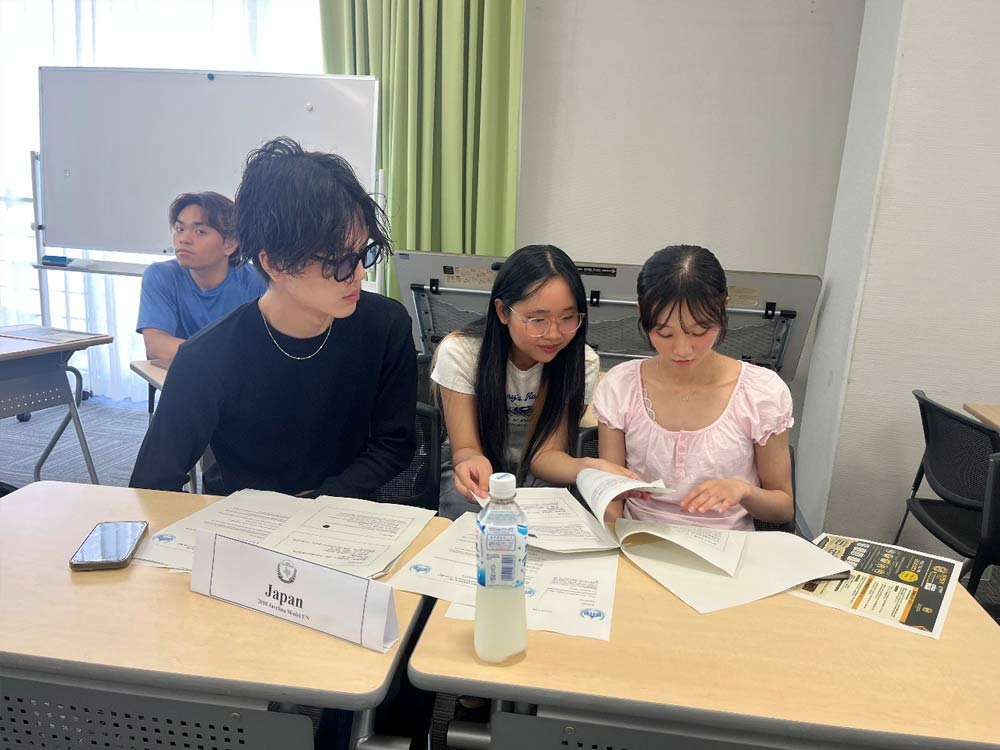
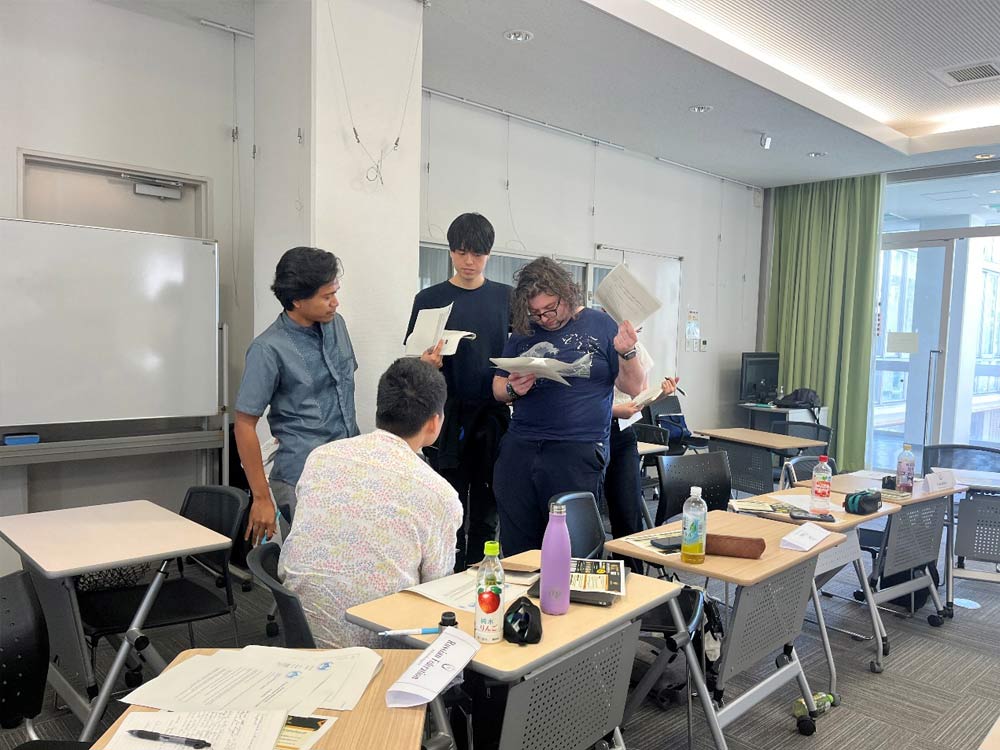
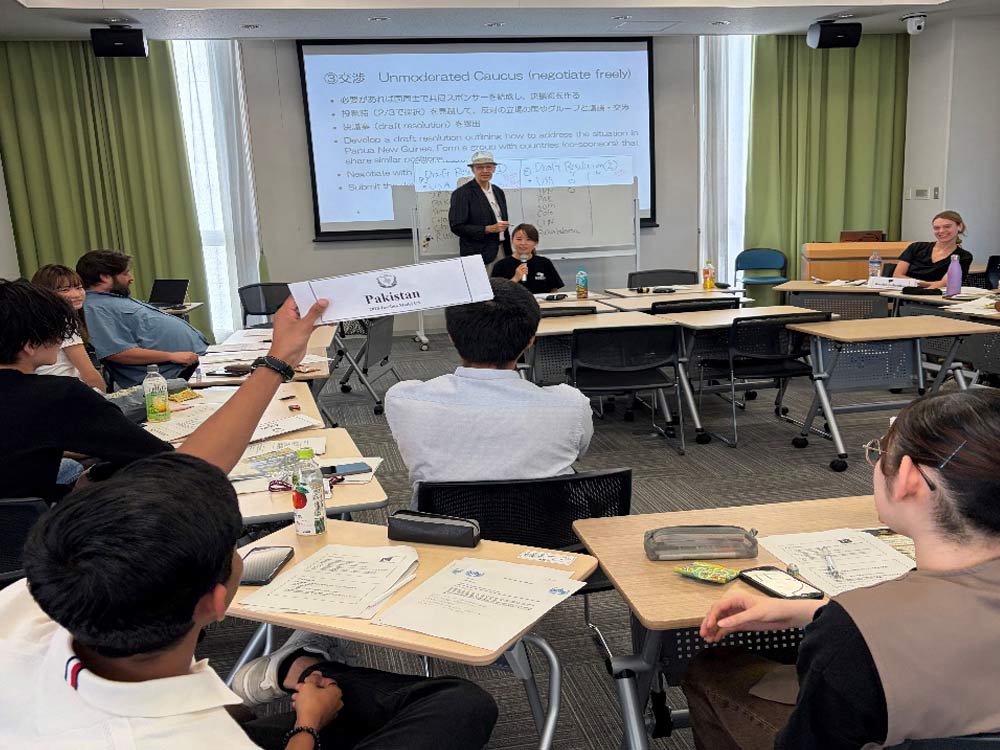
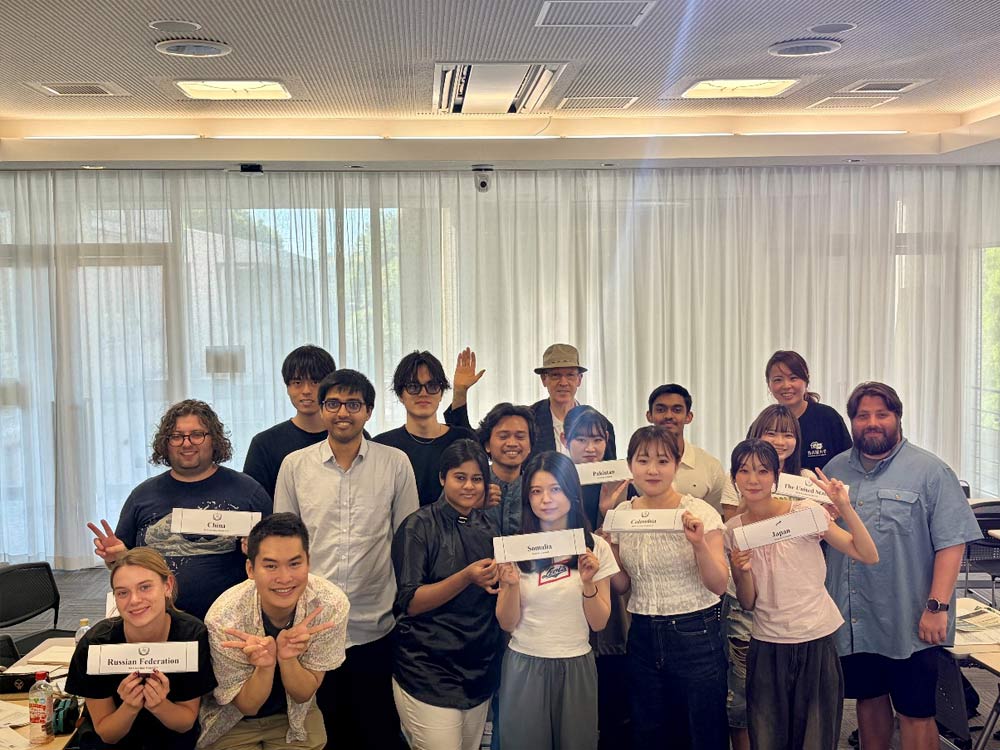
中京大学の学生は、名古屋大学の学部生や大学院生らとともに、太平洋地域の架空の国で発生した内乱を題材に、国連安全保障理事会の会議をシミュレーションしながら、グローバルガバナンスについて学びました。学生ペアは、実際に安保理に所属するアメリカ、ロシア、中国、パキスタン、ソマリア、コロンビアおよび日本の代表に扮し、それぞれの国の立場を英語でスピーチしたり、決議案を採択するための交渉に取り組んだりしました。
最終的には、アメリカとロシアをそれぞれ中心とする決議案が提出されましたが、拒否権を持つ二つの国の対立により、いずれも否決されました。中京大学の学生らは、英語で政治問題について議論することに難しさを感じた一方で、「拒否権を持つ国が国連の活動にどれほど大きな影響を与えているのかがわかった」「実際にシミュレーションを行うことで、国連安保理の現実を垣間見ることができた」と話しており、学びの多い機会となった様子でした。また、今後開催される名古屋大学模擬国連大会への参加にも関心を示していました。
Students Join Model UN Workshop Co-hosted with Nagoya University
On May 29, students from International Politics and Global Liberal Studies (GLS) majors in the School of Global Studies participated in a Model United Nations workshop held at Nagoya University.
The workshop was jointly organized by Associate Professor Chika Rosenbaum, who also serves as an advisor for the Nagoya Model United Nations held annually at Nagoya University, and Associate Professor Hitomi Takagi of Nagoya University’s Global Engagement Center. This was the second year of the workshop.
Together with undergraduate and graduate students from Nagoya University, Chukyo University students learned about global governance by simulating a meeting of the United Nations Security Council. The simulation was based on a fictional case involving civil conflict in a Pacific island country. Working in pairs, students represented actual members of the Security Council, including the United States, Russia, China, Pakistan, Somalia, Colombia, and Japan. They delivered speeches in English from the perspective of their assigned countries and engaged in negotiations to adopt draft resolutions.
In the end, two draft resolutions, led respectively by the United States and Russia, were submitted. However, both were rejected due to the confrontation between the two veto-holding countries. While Chukyo University students found it challenging to discuss political issues in English, they also reflected positively on the experience. Some students commented that they came to understand how strongly countries with veto power can influence the work of the United Nations, while others noted that the simulation allowed them to glimpse the reality of the UN Security Council. The workshop appeared to be a valuable learning opportunity, and several students expressed interest in participating in the upcoming Nagoya Model United Nations conference.